
15 Questions You Should Ask Before Your First Dungeon Visit, Including the Ones You’re Embarrassed to Ask
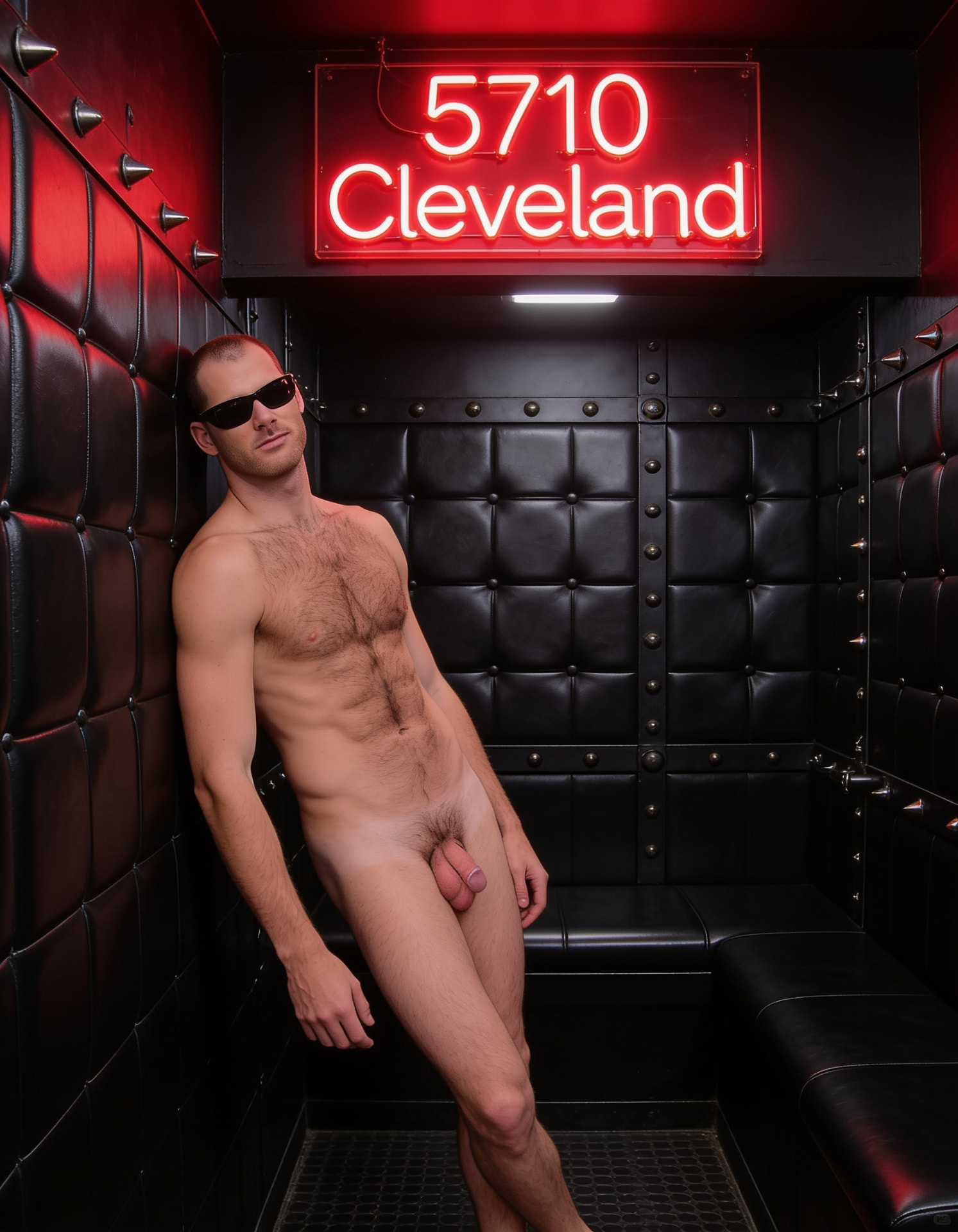
There’s a point somewhere between deciding you want to visit a dungeon and walking through the door when the questions start multiplying. At first, they’re practical. Where do I park? What should I wear? What time should I arrive? Then your imagination gets involved, and suddenly you’re wondering whether everyone will be naked, whether someone might recognize you, whether you’re expected to participate, and what happens if your cock decides to express an opinion before you’ve even introduced yourself.
Those questions aren’t stupid, and you’re not the first person to ask them. At 5710 Cleveland, we’d rather have a newcomer arrive informed and comfortable than spend his entire first visit trying to figure out rules everyone else seems to understand. An educated guest tends to be a more relaxed guest, and a relaxed guest has a much better opportunity to enjoy himself.
So before your first visit, ask questions. Ask us, read the event description, browse the information at www.5710cleveland.com, and talk to experienced people once you arrive. You aren’t expected to know dungeon culture before you’ve ever experienced dungeon culture.
Here are fifteen questions worth asking, including several you might have been hoping somebody else would ask first.
1. What Kind of Event Am I Attending?
The word “dungeon” describes the space, but it doesn’t tell you everything about the event happening inside it. One evening might be primarily social, while another might focus heavily on BDSM play. Some events have themes, some are designed for particular groups, and others create opportunities for newcomers to tour the space and ask questions without participating in play at all.
Before attending anything at 5710, read the complete event description rather than assuming every gathering works the same way. Knowing the purpose and atmosphere of the event helps you decide whether it matches what you’re looking for and prevents you from arriving with expectations based on something you saw online.
2. Do I Have to Participate?
No, and this question comes up so often that we wrote an entire article about it.
Walking into a dungeon doesn’t create an obligation to use the equipment, take off your clothes, find a play partner, or demonstrate how adventurous you are. You’re welcome to socialize, look around, ask questions, and respectfully observe what’s happening. Some people need several visits before they feel interested in participating, while others decide observation and socializing are exactly what they enjoy.
Your admission gets you through the door. It does not obligate your ass to anything.
3. Do I Have to Get Naked?
Nudity depends on the event, and your participation in it depends on your comfort level. At some gatherings, you might see everything from street clothes and leather to underwear and complete nudity sharing the same room without anyone giving it much thought.
If nudity is permitted, permission is not a requirement. You might arrive in jeans, eventually take your shirt off, and decide that’s enough. You might spend an hour getting comfortable and eventually decide your underwear has served its purpose for the evening. You might remain fully dressed from beginning to end.
Nobody should pressure you to remove clothing because other people have chosen to remove theirs. Your body belongs to you before, during, and after you enter the dungeon.
4. What Should I Wear?
We’ve covered this question in detail too, because first-time visitors worry about it far more than experienced visitors realize. Unless the event has a specific dress requirement, you generally don’t need to arrive looking like you spent your entire paycheck at a leather store.
Wear something appropriate for the event and comfortable enough for you to relax. Depending on the gathering, that might mean jeans and a T-shirt, underwear, a jockstrap, a harness, leather, fetishwear, or something else you enjoy wearing. Check the event description first, especially when the gathering has a theme.
The goal isn’t to look like the kinkiest man in Cleveland. The goal is to stop thinking about your clothes once you’re inside because you’re too busy enjoying yourself.
5. Will People Be Having Sex?
This is a perfectly reasonable question, and you should know the answer before attending any adult event. Different gatherings have different rules about sexual activity, nudity, BDSM play, and what happens in shared areas.
Don’t assume “dungeon” automatically means sex party, and don’t assume an event allowing sexual activity means everyone attending intends to have sex. Read the description for the particular event, and if anything remains unclear, ask us before you register.
Knowing what might happen around you gives you the opportunity to decide whether that environment feels right for you.
6. What If I See Someone I Know?
This question keeps more people away from their first dungeon visit than they care to admit. You walk through the door, look across the room, and there’s your barber, accountant, former coworker, neighbor, or the guy you see every Wednesday at Giant Eagle.
Here’s the useful thing to remember: he’s standing in the dungeon too.
Privacy and discretion matter in kink communities. Seeing somebody at 5710 doesn’t give you permission to discuss his attendance outside the space, post about him online, or turn his private interests into neighborhood gossip. We expect guests to extend the same discretion to others they would want extended to themselves.
If you recognize someone, a smile and “Well, hello there” might be all the acknowledgment either of you needs.
7. Are Photos Allowed?
Never assume you’re allowed to photograph people inside an adult play space simply because your phone has a camera.
Privacy matters enormously in kink environments because people have careers, families, relationships, and lives outside the dungeon. A casual photograph might capture someone in the background who never agreed to be photographed, much less appear online.
Always follow the photography policy for the venue and event, and never photograph another person without explicit permission. If you’re unsure whether photography is allowed in a particular area or at a particular event, ask before taking out your phone.
Your desire for a great profile picture doesn’t outrank somebody else’s privacy.
8. What If I Come Alone?
Coming alone is common, and for some people it’s easier because they get to explore without worrying about whether a friend or partner is having a good time.
If you’re nervous, tell us you’re new when you arrive. Introduce yourself to people. Look around before deciding what you want from the evening. Having your profile at www.5710cleveland.com also helps because you’ll be able to register for events and see other people planning to attend.
You might walk through the door alone without spending the evening alone. Communities begin when somebody says hello.
9. What If Someone Asks Me to Play and I Don’t Want To?
You say no.
You don’t need to invent an excuse, disclose something personal, or apologize for having a boundary. “No, thank you” communicates everything necessary.
The same rule applies when you ask someone else. If he declines, accept the answer without negotiation, sulking, repeated requests, or trying to convince him he’d enjoy himself if he gave you a chance. Being able to hear no gracefully is every bit as important as being able to say it.
Consent works because everyone involved knows declining is always an available option.
10. What If I Want to Play but Don’t Know How to Ask?
Start with a conversation rather than a proposition shouted across the room.
Introduce yourself. Talk for a while. If there’s mutual interest, tell the person what caught your attention or ask whether he might be interested in doing something together. If the answer is yes, that’s when the important conversation begins about interests, boundaries, experience, physical limitations, intensity, safewords, and what each person expects from the scene.
You don’t need a clever pickup line. You need communication skills and enough confidence to accept either answer.
11. What If I Don’t Know How the Equipment Works?
Please ask.
A dungeon contains equipment you might never have encountered anywhere else, and some of it isn’t intuitive. Restraint furniture, slings, benches, crosses, cuffs, ropes, and other equipment require different levels of knowledge to use responsibly.
Pretending you know what you’re doing because you’re embarrassed to ask creates far more problems than admitting you’re inexperienced. Nobody was born knowing how to use a St. Andrew’s cross. Experienced players learned from somebody, practiced, asked questions, and developed their skills over time.
Curiosity is welcome. Recklessness isn’t.
12. What About Cleanliness and Safer Sex?
You should absolutely ask about hygiene procedures, cleaning supplies, barriers, safer-sex supplies, showers, towels, and expectations for cleaning equipment after use.
Adult play involves bodies, and bodies involve sweat, skin, saliva, bodily fluids, and all the other things biology neglected to make glamorous. Responsible play spaces take hygiene seriously, and responsible guests do their part as well.
Come clean, wash your hands when appropriate, use available protective supplies, follow the event’s health rules, and clean equipment according to venue procedures after you use it. If you don’t know how something should be cleaned, ask rather than guessing.
Being filthy in your imagination and sanitary in real life work beautifully together.
13. Are Alcohol or Drugs Allowed?
Never assume intoxicants belong in a BDSM environment. Individual venues and events have their own policies, and you should understand them before attending.
The larger issue is consent and judgment. BDSM activities sometimes involve restraints, physical sensations, specialized equipment, and decisions requiring clear communication between everyone involved. Becoming significantly impaired makes those decisions harder and creates problems for the people around you.
A good dungeon night should leave you with memories because you had a good time, not gaps where the memories were supposed to be.
14. What If My Body Does Something Embarrassing?
This question usually means, “What if I get hard?” although bodies offer a much larger menu of potentially embarrassing possibilities.
You might get an erection while watching something. You might lose one when you hoped to keep it. You might sweat. Your stomach might make noise. You might discover a position your knees stopped approving of sometime around 2019. You might become nervous and need a minute to collect yourself.
Bodies respond to stimulation, anxiety, excitement, temperature, medications, age, fatigue, and about fifty other variables we don’t completely control. An erection isn’t automatic consent, and the absence of one isn’t proof somebody isn’t enjoying himself.
You don’t need to apologize for having a human body in a room filled entirely with human bodies.
15. What If I Get There and Decide This Isn’t for Me?
Then you leave.
This might be the most important question on the list because some people convince themselves that once they’ve registered, paid, arrived, or started talking with someone, they have crossed some invisible line requiring them to stay.
You haven’t.
Perhaps the event isn’t what you expected. Perhaps you’re overwhelmed. Perhaps you realize you aren’t ready. Perhaps you’re tired. Perhaps the environment simply doesn’t appeal to you once you experience it in person.
You’re allowed to change your mind. You’re allowed to leave after twenty minutes, and you don’t owe anyone an elaborate explanation for doing so.
You might also get halfway to your car, laugh at yourself for being nervous, turn around, and come back inside. Human beings are complicated creatures.
The Question You Should Never Be Embarrassed to Ask
The question we most want newcomers to feel comfortable asking is simple: “I don’t know. Will you explain it to me?”
A responsible dungeon community doesn’t expect newcomers to arrive fully educated. It creates opportunities for people to become educated. Experienced people share what they know, hosts explain expectations, participants communicate clearly, and everybody accepts that learning never stops simply because you’ve been doing this for years.
That philosophy matters to us at 5710 Cleveland because a responsible community is an educated community. Respect grows when people understand consent, boundaries, privacy, hygiene, equipment, communication, and their responsibilities to the other people sharing the space.
So bring your questions. Bring the embarrassing ones too. We’ve likely heard them before, and if we haven’t, you might give us the topic for our next blog article.
Visit www.5710cleveland.com to create your profile, check your dashboard, see upcoming events, register, and see who else plans to attend.